
Essay
Why Every Trip Should Plant Something: Trees, Roads and Nepal’s Future
An essay on forests, landslides and the price of travel in Nepal, and why our pledge to plant 10 trees for every 1,000 miles is about more than carbon.
By DriveRentalNepal ·
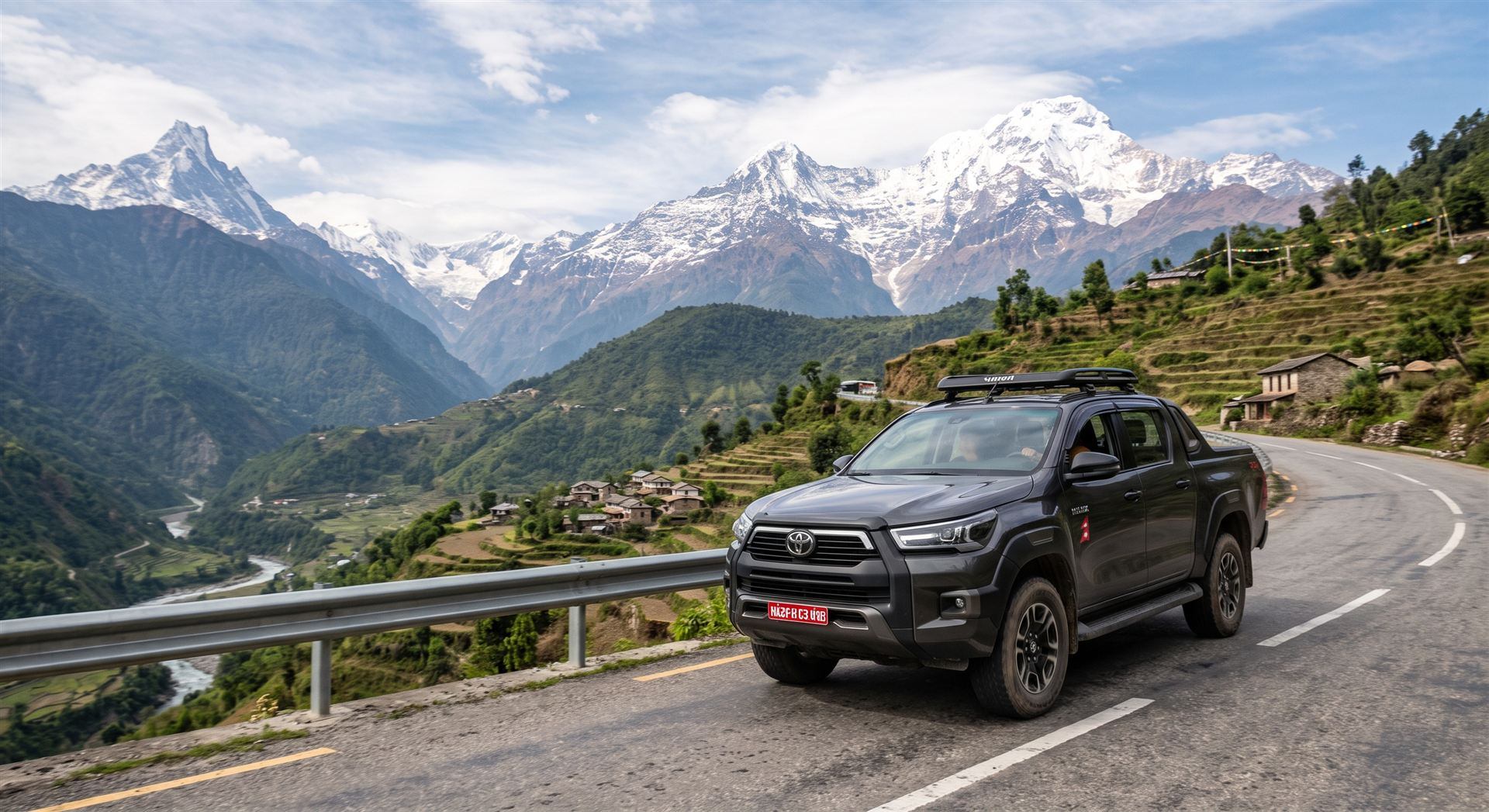
Anyone who has driven a Nepali highway in the monsoon knows what happens when a hillside gives way. A river of mud and boulders crosses the road, traffic stops, and the delay might last hours or days. Behind that scene is a simple fact: steep slopes without trees are slopes waiting to move.
What forests do
Roots hold soil together. Leaves break the force of monsoon rain. Forest floors soak water up like a sponge and release it slowly into springs that villages depend on in the dry season. Take the forest away, and each of these services goes with it.
The comeback
Nepal has a hopeful story here. Community forestry, in which villagers form user groups to manage and protect nearby forests, has helped restore tree cover on many hillsides over the past few decades. It works because the people who care for the trees are the ones who benefit from them.
What travel takes and what it can give
Every journey uses fuel, wears roads and adds pressure to fragile places. But travel can also give something back. That is why we plant 10 trees for every 1,000 miles our customers drive, working with local communities so the saplings are looked after long after planting day.
A small habit
You do not need to be an ecologist to help. Choose an electric car or a shared van where you can, keep the engine off while waiting, take your rubbish with you, and buy from local family businesses. Small habits, repeated across thousands of trips, change what a country looks like. Read more on our Green Nepal page.