
Guide
Self-Drive Car Rental in Nepal: A Practical Guide for Visitors
What you need to rent and drive a car yourself in Nepal: licence and permit, deposit, road rules, fuel, and when a driver makes more sense.
By DriveRentalNepal ·
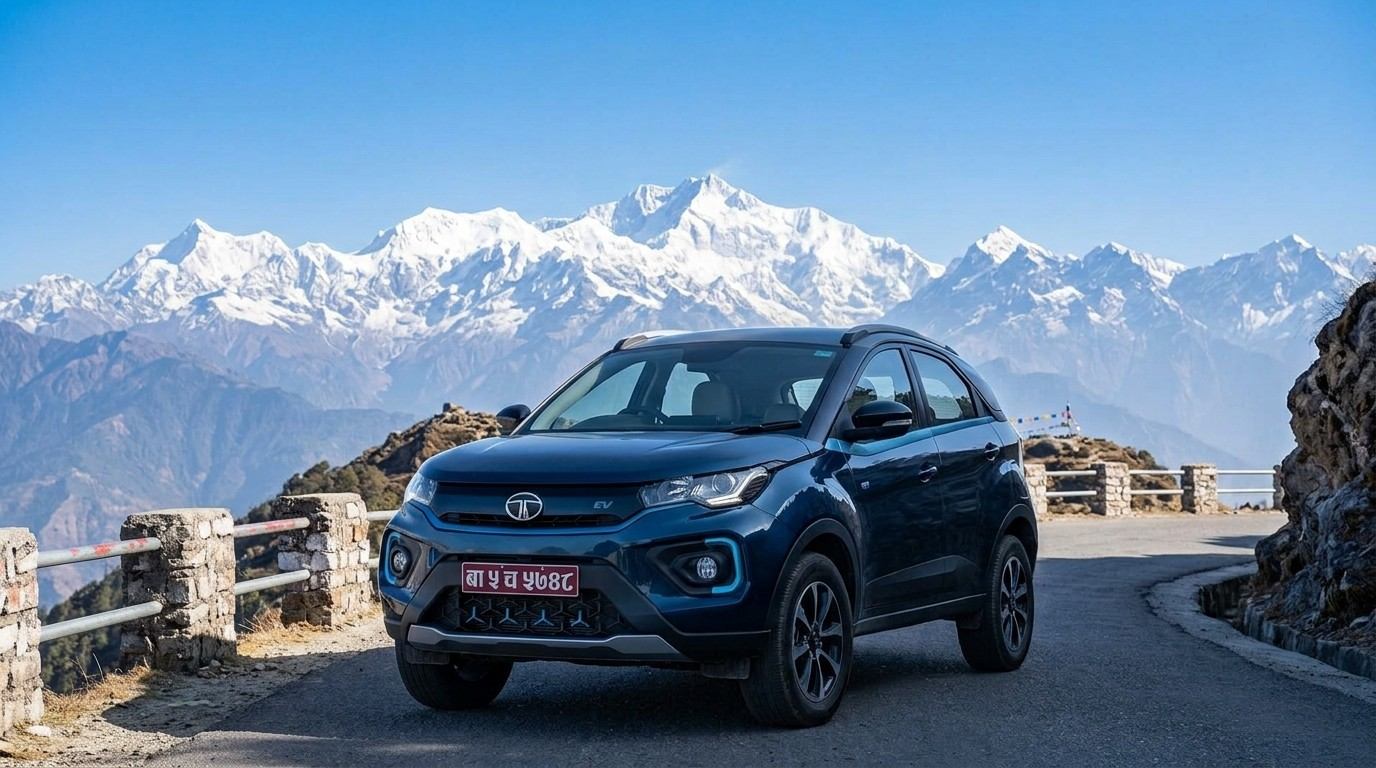
Self-drive car rental in Nepal gives you something a tour bus never will: the freedom to stop at a riverside tea shop, take a detour to a hilltop village, or leave Pokhara at dawn to catch the light on the Annapurnas. It also asks more of you than driving at home. This guide covers what you need before you book and what to expect once you are behind the wheel.
Documents you need
Foreign visitors need a valid driving licence from their home country together with an International Driving Permit (IDP). Get the IDP before you leave home, because it is issued in the country that issued your licence. Carry both, along with your passport, whenever you drive. Police checkpoints are common on highways, and officers will ask for them.
- Home-country driving licence, valid for the whole rental period
- International Driving Permit
- Passport with a valid Nepal visa
- A refundable security deposit for self-drive rentals
How the road feels
Nepal drives on the left, and most cars are right-hand drive. Traffic moves by negotiation more than by lane markings. Horns are used to say "I am here" rather than in anger, and you will hear them on every blind bend. Motorbikes filter through gaps on both sides, buses stop without warning, and cows, goats and children share the road outside the cities.
Average speeds are low. A 200 km highway day can easily take seven hours once you count roadworks, trucks on climbs and a proper lunch stop. Plan to arrive before dark: unlit hill roads, oncoming headlights and unmarked edges make night driving the single biggest risk for visitors.
Choosing the right car
For Kathmandu Valley and short trips, a compact hatchback or sedan is easier to park and squeeze through old-town lanes. For highway trips to Pokhara or Chitwan, a car with more ground clearance handles potholes and unpaved diversions better. If you are heading off the main highways, or travelling in the monsoon, an SUV is the safer choice.
Fuel, tolls and parking
Fuel is not included in the rental price. Cars go out with a set fuel level and should come back with the same. Filling stations are frequent on the main highways but thin out on rural roads, so top up when you pass a town. Parking inside Kathmandu can be tight; hotels in Thamel often have limited spaces, so ask your hotel before you arrive.
When a driver is the better choice
If this is your first time in South Asia, if you are travelling during Dashain or Tihar when highways are packed, or if you simply want to look at the mountains instead of the road, hiring a car with a local driver costs a little more and removes most of the stress. Many travellers mix the two: a driver for the long highway legs, self-drive for exploring once they arrive.
Before you book
Send us your dates, route and group size. We will confirm availability, the deposit, what the quote includes, and the pickup point in writing before you travel, so there are no surprises at handover.